
The NASA-Proven Biohack For Entrepreneurs
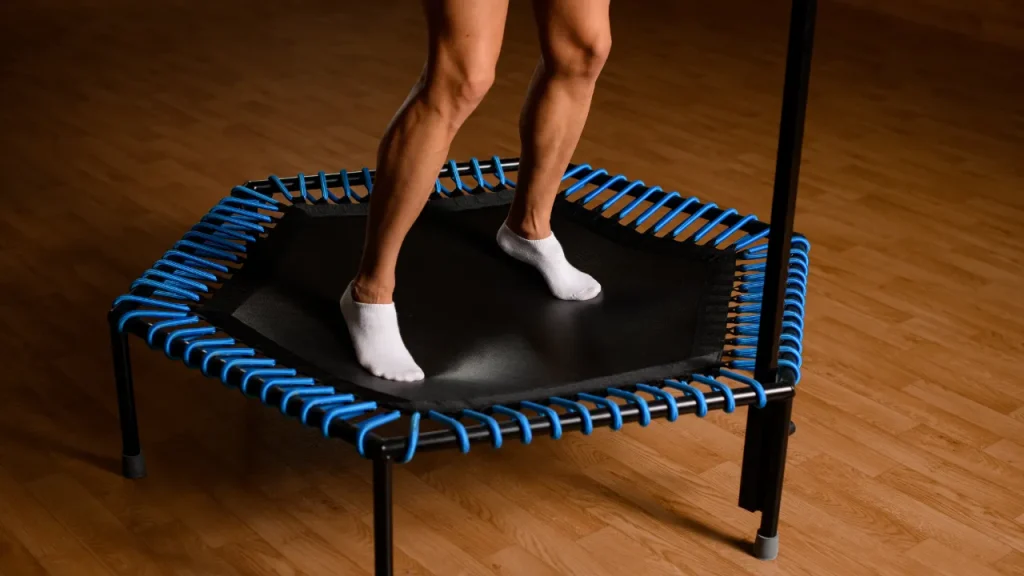
If you’re looking for a workout that delivers maximum results in minimum time, rebounding might be the game-changer you’ve been searching for. This low-impact exercise involves bouncing on a mini-trampoline, and the science behind its effectiveness is nothing short of remarkable. Whether your goals include building muscle, burning fat, boosting your immune system, or simply feeling more energized throughout the day, rebounding offers a comprehensive solution that fits into even the busiest lifestyle.
The NASA Study That Changed Everything
In 1980, researchers at NASA’s Biomechanical Research Division conducted a groundbreaking study that compared rebounding to traditional treadmill running. Published in the Journal of Applied Physiology, this research involved eight young men who were tested on both treadmills and trampolines while scientists measured their body acceleration, oxygen uptake, and heart rate.
The results were astounding. The study found that for similar levels of heart rate and oxygen consumption, the biomechanical stimuli experienced during rebounding were significantly greater than during running. In fact, the external work output was up to 68% more effective when bouncing compared to running at equivalent oxygen uptake levels. This means you can achieve better results in less time—specifically, just 10 minutes of vigorous rebounding can deliver benefits comparable to 30 minutes of running.
What makes this even more impressive is that rebounding distributes force more evenly throughout the body. While running places more than twice the force on your ankles compared to your back and forehead, rebounding creates a more uniform acceleration pattern. This makes it simultaneously more effective for fitness gains while being gentler on your joints.
Why the Cellerciser Stands Above the Rest
When it comes to choosing a rebounder, quality matters tremendously. The Cellerciser has established itself as the gold standard in rebounding equipment, and for good reason. This American-made rebounder features patented TriDaptable springs that are unlike anything else on the market. These unique self-adjusting springs automatically adapt to your weight and jumping height, providing optimal support whether you’re 100 pounds or 300 pounds.
The Cellerciser’s all-steel construction ensures it’s built to last a lifetime, not just a few months like cheaper alternatives. While budget rebounders often use springs that stretch out, squeak, or break within a year, the Cellerciser uses specially engineered steel that’s so strong it actually destroys conventional spring molds during manufacturing. This dedication to quality means you’re making a one-time investment in your health rather than repeatedly replacing inferior equipment.
The smooth, controlled bounce of the Cellerciser provides superior feedback and stability compared to bungee-based systems, making it ideal for both gentle lymphatic drainage work and more intense cardiovascular training. Users consistently report that even after years of daily use, their Cellerciser remains as sturdy and effective as the day they bought it.
Cardiovascular and Fat-Burning Benefits
Rebounding is an exceptional cardiovascular workout that gets your heart pumping without the joint-jarring impact of running on hard surfaces. The rhythmic bouncing motion improves circulation throughout your entire body, opening up capillaries and increasing oxygen delivery to all your tissues. This enhanced blood flow helps lower blood pressure, reduces cholesterol and triglyceride levels, and strengthens your heart muscle over time.
For those focused on weight loss, rebounding is remarkably efficient at burning calories. A 180-pound person can burn approximately 96 calories in just 12 minutes of rebounding. But the benefits extend beyond the immediate calorie burn—rebounding supercharges your metabolism, creating an “afterburn effect” where your body continues burning calories even after your workout ends. The combination of cardiovascular activity and the constant acceleration and deceleration forces helps your body become more efficient at using oxygen, which translates to improved stamina and endurance in all areas of life.
Building Muscle and Bone Density
One of rebounding’s most impressive features is its ability to strengthen not just your muscles, but every single cell in your body. The unique gravitational forces at play during rebounding—acceleration as you bounce up, a moment of weightlessness at the top, and deceleration combined with increased G-force as you land—create a complete cellular workout that traditional exercises simply cannot match.
This exercise effectively targets your legs, glutes, core, and even your deep back muscles with each bounce. The constant need to stabilize yourself on the moving surface engages your core muscles throughout the entire workout, making it far more effective for abdominal strengthening than traditional crunches. For those recovering from surgery or looking to prevent injury, the low-impact nature means you can build strength without the risks associated with heavy lifting or high-impact exercises.
Perhaps most importantly for long-term health, rebounding significantly increases bone density. The weight-bearing nature of the exercise, combined with the increased gravitational load at the bottom of each bounce, sends signals to your bones to become stronger and denser. Studies have shown that just two months of regular rebounding can stop the progression of osteoporosis and even reverse bone loss, making it an invaluable tool for maintaining skeletal health as we age.
Immune System and Lymphatic Drainage
One of rebounding’s most unique benefits is its profound effect on the lymphatic system. Unlike your cardiovascular system, which has the heart to pump blood, your lymphatic system relies entirely on body movement to circulate lymph fluid throughout your body. This system is crucial for removing toxins, waste products, and cellular debris while also transporting immune cells to fight infection.
The up-and-down motion of rebounding creates the perfect pumping action to move lymphatic fluid. Each bounce opens and closes millions of one-way valves throughout your lymphatic system, effectively flushing waste from your cells while bringing in fresh oxygen and nutrients. Research suggests that just two minutes of rebounding can flush the entire lymphatic system, and remarkably, the white blood cell count of your immune system triples during this time and remains elevated for up to an hour afterward.
This dramatic increase in immune cell activity means your body is better equipped to fight off illness and disease. Regular rebounding has been linked to reduced occurrences of colds, allergies, and digestive disturbances. The improved lymphatic drainage also helps reduce inflammation throughout the body, which is at the root of many chronic health conditions. For cancer patients and survivors, rebounding provides gentle but effective lymphatic stimulation that can help manage lymphedema and support the body’s natural detoxification processes.
Mental Health, Mood, and Sleep Quality
The benefits of rebounding extend far beyond physical fitness—this exercise is a powerful tool for mental and emotional wellbeing. Each bouncing session triggers the release of endorphins and dopamine, your brain’s natural mood-boosting chemicals. These neurotransmitters help reduce feelings of anxiety and depression while promoting a sense of calm and happiness that can last for hours after your workout.
Research has shown that rebounding helps prevent rumination on negative thoughts by altering blood flow to areas of the brain that trigger repetitive stress patterns. This makes it an excellent choice for those dealing with anxiety or who tend to get stuck in cycles of worry. The rhythmic, meditative quality of bouncing can be deeply relaxing, providing a mental break from daily stressors while simultaneously energizing your body.
When it comes to sleep quality, rebounding offers remarkable benefits. The physical exertion helps release pent-up energy and tension that might otherwise keep you awake at night. The improved circulation ensures better regulation of your body’s internal clock, leading to more consistent sleep patterns and deeper, more restorative rest. Many people find that incorporating 10-15 minutes of rebounding into their daily routine helps them fall asleep more easily and wake up feeling more refreshed.
Energy Levels and Cognitive Function
While it might seem counterintuitive, expending energy through rebounding actually increases your overall energy levels throughout the day. The exercise boosts mitochondrial function—these tiny powerhouses in your cells are responsible for converting food into usable energy. When you rebound regularly, your mitochondria become more efficient, meaning you have more fuel available for everything you do.
The increased circulation to your brain during rebounding delivers a surge of oxygen and nutrients that support optimal cognitive performance. Users consistently report improved mental clarity, better memory, enhanced concentration, and sharper learning abilities. The improved blood flow helps maintain healthy brain function as you age, potentially reducing the risk of cognitive decline and dementia.
Unlike the temporary crash that follows caffeine or sugar, the energy boost from rebounding is sustained and natural. By increasing your stamina through enhanced neurotransmitter production, rebounding gives you the motivation and capacity to stay active throughout the day. Many people find that a quick rebounding session during an afternoon slump is far more effective than another cup of coffee.
Getting Started: Your Path to Better Health
The beauty of rebounding is its accessibility. You don’t need to be an athlete or have prior exercise experience to benefit. Start with just a few minutes of gentle bouncing—even a simple “health bounce” where your feet barely leave the mat provides tremendous benefits. As your strength and endurance improve, you can gradually increase the intensity and duration of your sessions.
For optimal results, aim for 10-15 minutes of rebounding at least 3-5 times per week. The convenience of having a Cellerciser at home means you can bounce while watching TV, listening to music, or even during phone calls. There’s no commute to the gym, no special clothing required, and no time wasted—just step on and start bouncing your way to better health.
The investment in a quality rebounder like the Cellerciser pays dividends for decades. Unlike gym memberships that require ongoing payments or exercise equipment that collects dust, your Cellerciser will be there whenever you need it, providing the same excellent performance year after year. With its lifetime durability, adaptability to users of all weights and fitness levels, and the comprehensive health benefits it delivers, the Cellerciser represents one of the smartest investments you can make in your long-term wellbeing.
The Complete Health Solution
Rebounding isn’t just another fitness trend—it’s a scientifically validated exercise method that addresses nearly every aspect of health and wellness. From the NASA research proving its superior efficiency to the countless testimonials from users who have transformed their health, the evidence is clear: rebounding works.
Whether you’re looking to lose weight, build strength, boost your immune system, improve your mood, sleep better, or simply feel more energized, rebounding on a Cellerciser offers a complete solution. It’s low-impact yet highly effective, convenient yet challenging, and gentle enough for beginners while still providing advanced users with an intense workout. In just 10 minutes a day, you can activate every cell in your body, strengthen your cardiovascular system, detoxify through lymphatic drainage, and enjoy the mental and emotional benefits of this remarkable exercise.
The time to start is now. Your body—and your future self—will thank you for making rebounding a part of your daily routine.